Why Slow Fashion Feels Better for Everyday Living
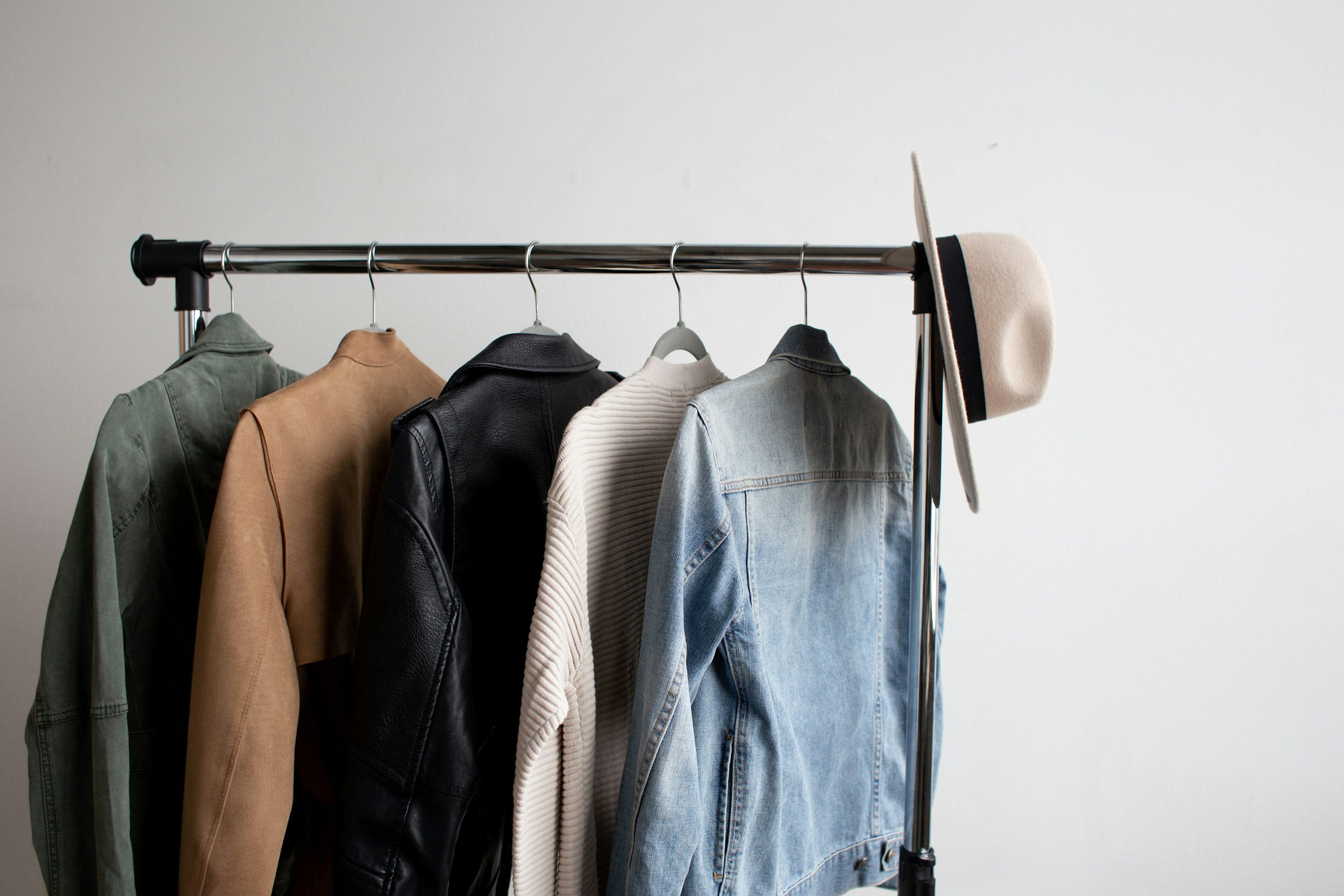
A slower approach to fashion can make getting dressed simpler, more enjoyable and far less wasteful. When your wardrobe contains pieces that fit well, work together and suit your actual routine, you spend less time chasing newness and more time appreciating what you own.
Slow fashion brings that sense of ease into everyday life through thoughtful purchases, dependable quality and proper care.
The Pressure of Rapid Trend Cycles
Rapid trend cycles can make perfectly good clothes feel dated within weeks. Social feeds, promotional emails and limited-time releases create urgency, encouraging you to buy before considering how an item will fit into your life. The psychology of fast fashion explains how low prices and constant novelty can turn shopping into a repeated reward.
Reduce that pressure by adding a 48-hour pause before non-essential purchases. During that time, picture three outfits you could create with the piece and check whether you own something similar. Unsubscribing from frequent sales emails also helps you shop according to genuine needs, not a retailer’s timetable.
Finding Calm in Intentional Shopping
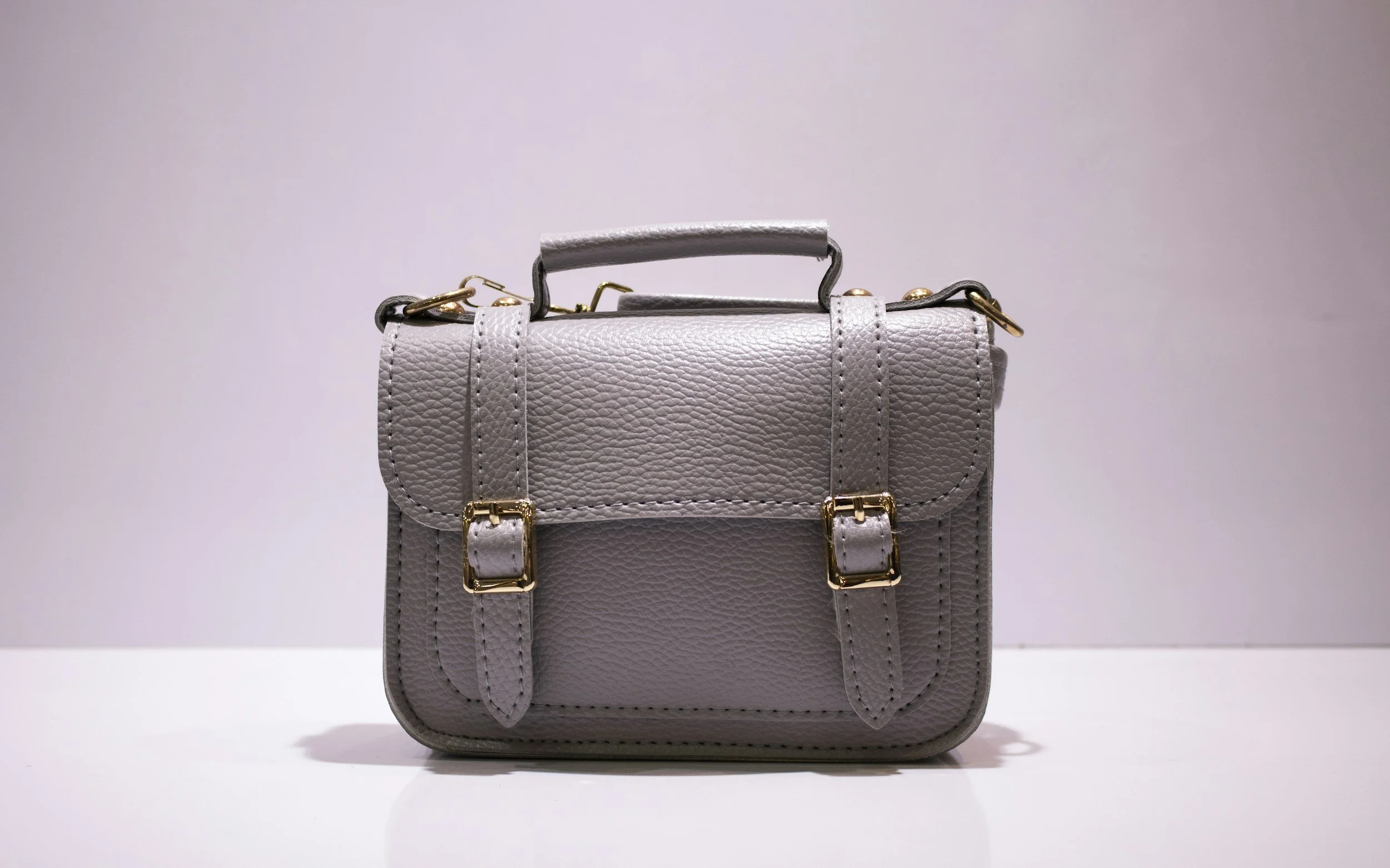
Intentional shopping starts with a clear idea of what your wardrobe needs. Keep a short note on your phone listing genuine gaps, such as a smart jacket for work or comfortable shoes for long days. When you shop, focus on that list and set a realistic budget before browsing.
Accessories deserve the same thought. If you need an everyday bag, consider its size, strap comfort, fastening and how it will age. Well-made handmade leather bags crafted in England from full-grain vegetable-tanned leather offer one option for shoppers seeking durable pieces. A practical purchase should support your routine for years, not simply look appealing on the day.
Prioritising Quality Over Sheer Volume
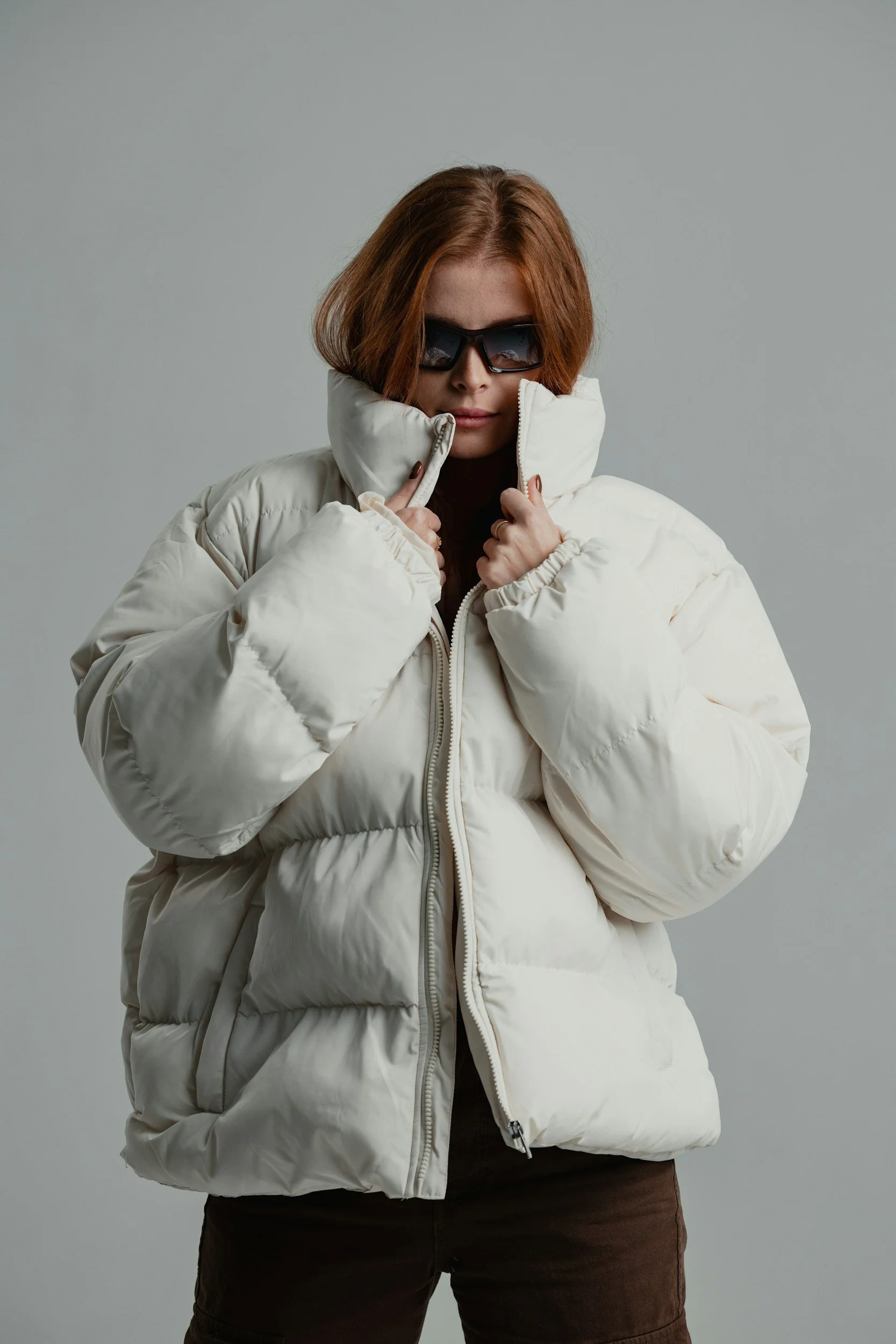
Quality becomes easier to judge when you slow down and inspect the details. Check that seams lie flat, buttons feel secure and patterns meet neatly at joins. Natural fibres can be comfortable and repairable, although fabric weight, construction and care requirements matter as much as the fibre name on the label.
Cost per wear offers a useful reality check. A £120 coat worn 120 times costs £1 per wear, while a £35 version worn five times costs £7 per wear. This doesn’t mean every expensive item is well made, so examine each piece on its own merits. The Capsule’s guide to quality and longevity offers further guidance on building a wardrobe that lasts.
Caring for Your Wardrobe Treasures
Good care can add years to clothing and accessories. Start by following the care label and washing only when needed. Airing a jumper overnight may be enough to freshen it, while spot cleaning can prevent a small mark from becoming a full wash. Cooler cycles and gentler spin settings also reduce stress on many fabrics.
Store knitwear folded to prevent stretched shoulders and use shaped hangers for jackets. Clean bags out regularly, keep them away from damp areas and support their shape during storage. Deal with loose hems, missing buttons and worn soles promptly. Small repairs are usually cheaper and less disruptive than replacing an otherwise useful piece.
Cultivating a Signature Personal Look
A signature look develops when you notice what you wear repeatedly. Review photographs from the past year and identify recurring colours, shapes and accessories. Perhaps straight-leg trousers, fine knitwear and structured bags consistently make you feel comfortable and put together. Those patterns provide a practical foundation for future purchases.
You don’t need a rigid uniform. A reliable colour palette and a few preferred silhouettes still leave room for seasonal changes and individual finds. If you’d like a defined period for testing this approach, a year of slow fashion can help you reset old shopping habits.
The best wardrobe often feels quietly familiar. When each piece earns its place through comfort, usefulness and character, opening the wardrobe door becomes a calmer start to the day.