Skincare expert: The best and worst things you can do for your skin this winter

As the temperatures drop, many find their skincare routine simply stops working. Dryness, irritation and breakouts become more common, even for skin that felt hydrated and healthy in the summer months.
Tshering Pedon, skincare author at Kylo Peptides, a research peptides site, reveals the common mistakes many make in their skincare routines as the seasons change that are adding years onto their appearance.
Here’s how the expert recommends adjusting your skincare routine this winter, depending on your skin type, according to Pedon.
For all skin types, hydrationmaxxing is key, and it doesn't just mean 'drink more water'
People think of hydration as a summer thing because of the hot weather and humid conditions, but winter is often when skin is most dehydrated. Both indoor and outdoor factors contribute to dehydration in winter with central heating, cold winds and hot showers all drawing water and hydration out of the skin.

"Many of us tend to drink less when it’s cold because we don’t feel as thirsty which means that by the time your skin feels tight, it’s already behind and you need to be thinking about maxxing out your hydration.
"Hydration should work from the inside and the outside, not simply one or the other. Drinking water steadily throughout the day matters more than downing a large amount at once. You can think about hydrationmaxxing through using electrolytes which can add hydration to your skin too, because minerals like sodium, potassium and magnesium help the body hold on to the water you drink rather than losing it quickly.
“If you’re drinking plenty but still feel dry and sluggish, adding electrolytes can make a real difference. A tablet or powder in your water bottle is an easy way to do it. All you need to do is check the label, as some sports drinks are very high in sugar and for those with more sensitive or acne-prone skin, that can lead to an outbreak.
"When it comes to skincare, you should be looking for hydrating toners and serums that contain humectants such as hyaluronic acid, glycerin or aloe vera. These give your skin water, and a good moisturiser seals it in afterwards.
“Hydrationmaxxing is the foundation for a sustainable skincare routine. Water-based layers go on first to replenish the skin, then richer creams lock it in. If you skip the hydration, even the most expensive moisturiser won’t do much and won't get locked in, not only will you waste product but you'll waste time and money too. In the winter, the harsher conditions can quickly affect your skin, causing peeling, flaking and redness and can add years onto your appearance without the right preparation both inside and out.”
For dry skin, don't grab a heavy cream because your skin is irritated
"During winter, if you have skin that keeps feeling tight or is flaking within an hour of applying makeup then your skin is barely retaining any moisture. Dry skin types suffer significantly in the winter because you have a weaker barrier naturally and then you combine this with harsh winter weather and temperatures and your skin can't keep up and loses moisturiser too quickly.

“With this skin type, the biggest mistake to avoid is applying moisture as the last step. You need to be considering adding in the moisture each step of the way, not just as the last step. If you skip this, then every subsequent step of your skincare routine is not going to be as effective as you want it to be.
"Your first step of your skincare routine is typically cleansing and this should be gentle and non-foaming, because foaming cleansers only make dryness worse. Instead, you should make sure that you're adding in a hydrating layer. This could be as simple as a moisturising toner or essence, and this will help you replace lost moisture. From that point, you can then apply a serum that supports the skin barrier, and then finally lock in all of that moisture and hydration with a richer moisturiser.
"Many will just think that going straight to heavy creams will solve the problem of dry skin but it really makes no difference if there isn't any water in the skin before that point. A top tip for those with dry skin is also applying products to skin that is damp and not completely dry, as damp skin can help skincare ingredients absorb better, making each step feel more effective through the day."
For oily or acne-prone skin, make sure your hydrationmaxxing isn't actually clogging your skin
"The common assumption is that in winter, oily skin types don't need as much moisturiser but that's far from the truth. When feeling dry, oily skin produces more oil to compensate and this can be triggered by the colder, harsher conditions and temperatures in winter.
"The focus should still be on gentle cleansing and lightweight products to ensure your skin isn't being overloaded with product and the oil it naturally produces. Therefore, it's better to try targeted products than all-in-ones that mean you apply product for the sake of applying it. Using your skincare sparingly can go a long way for oily skin types.
"Those with oily skin should consider serums that help balance oil or keep pores clear. Then, make sure to avoid heavy-duty moisturisers that are targeted for winter skin, a simple, lightweight moisturiser used appropriately will be more than enough."
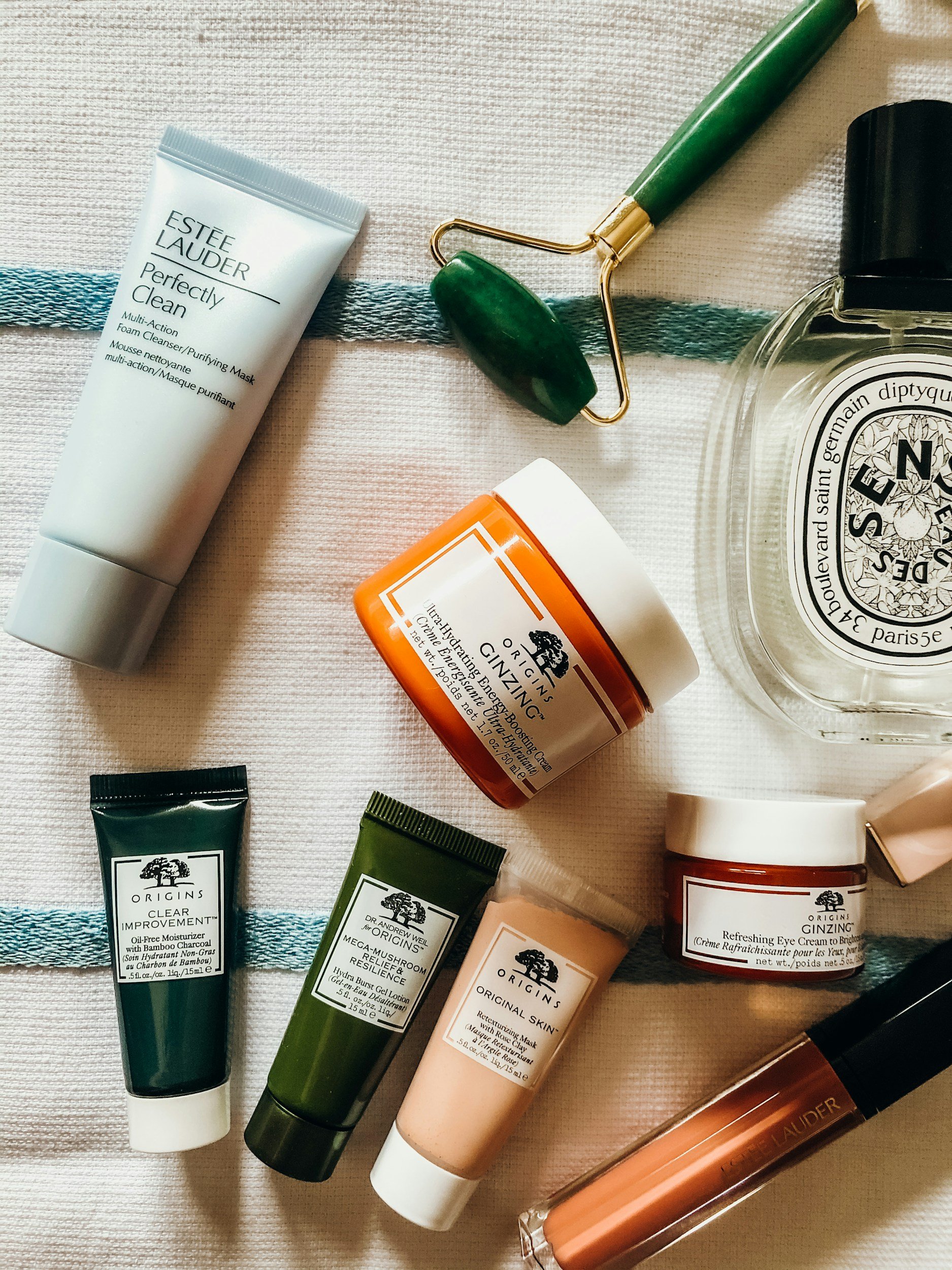
For combination skin, treat your face in different sections, rather than a blank canvas
"Combination skin is exactly what it says on the tin; if you apply the same products everywhere on your face, you're not taking care of the needs of each area and you could be worsening your skin in winter.
"Starting with a peptide cleanser helps keep skin balanced, without stripping your dry areas like the cheeks. A medium-weight moisturiser tends to suit most areas, with richer creams used only where skin needs a bit more help. Sunscreen should still be used in the morning."
For sensitive skin, look for mineral-heavy ingredients
"Low temperatures, harsh winds and snow cause redness in our skin and a feeling of stinging, particularly for sensitive skin types. So, the worst thing you can do is overload an already sore and painful skin barrier with too many ingredients that it can't cope with.
"Always choose calming products to help support your skin barrier. You shouldn't be concerned with blemishes and imperfections as a primary issue, but you should be more concerned about making sure your skin barrier is as protected as possible. In doing so, the winter elements will be much easier for your skin to cope with, from the drastic change from heating indoors to blistering cold winds outside that your skin has to cope with. Mineral sunscreens are a great, natural option for sensitive skin types to have a protective layer that doesn't have too many artificial components.
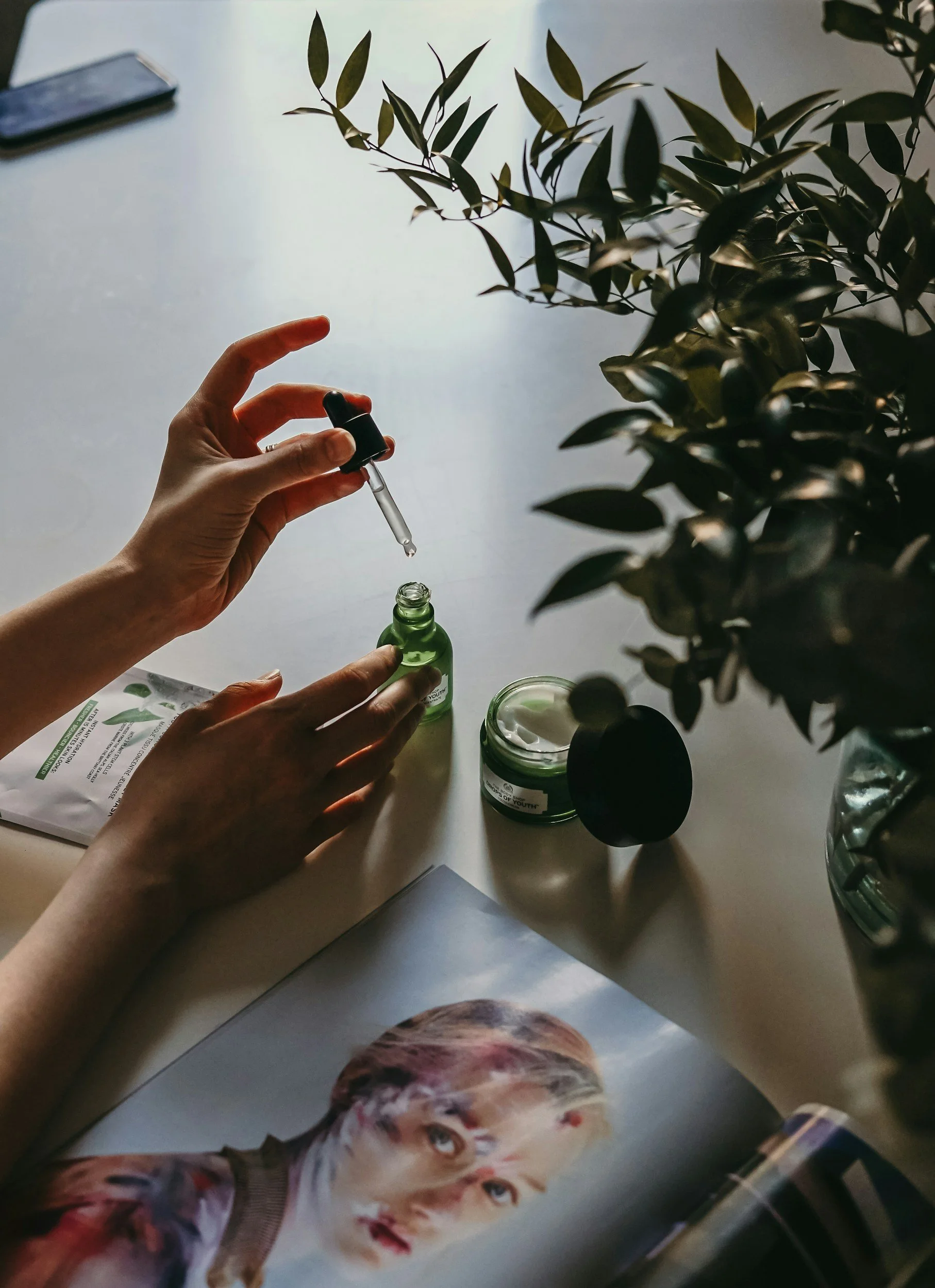
For mature skin, focus on your nighttime routine over your daytime routine
"As skin ages, the bounceback of your skin becomes longer and harder to retain with winter elements often accelerating this. Extra support and a more lengthy skincare routine in the evening is key for preventing and treating skin imperfections during the winter. This is due to serums containing ingredients like retinol or peptides that can be useful at night if the skin already tolerates them well, before a nourishing moisturiser helps lock everything in. Adding a facial oil in the evening can also help reduce moisture loss while you sleep."
Wellbeing


