Solo Travel Secrets for Hands-Free Exploration

Solo travel feels far easier when you can move through a destination without dragging a suitcase behind you. Keeping your hands free makes it simpler to check directions, take photographs, use public transport and stop somewhere on impulse.
The trick is to separate what you need during the day from what can safely stay elsewhere. A compact day bag, a realistic route and a few dependable habits will give you more freedom without leaving you unprepared.
Confidence Starts with Mobility
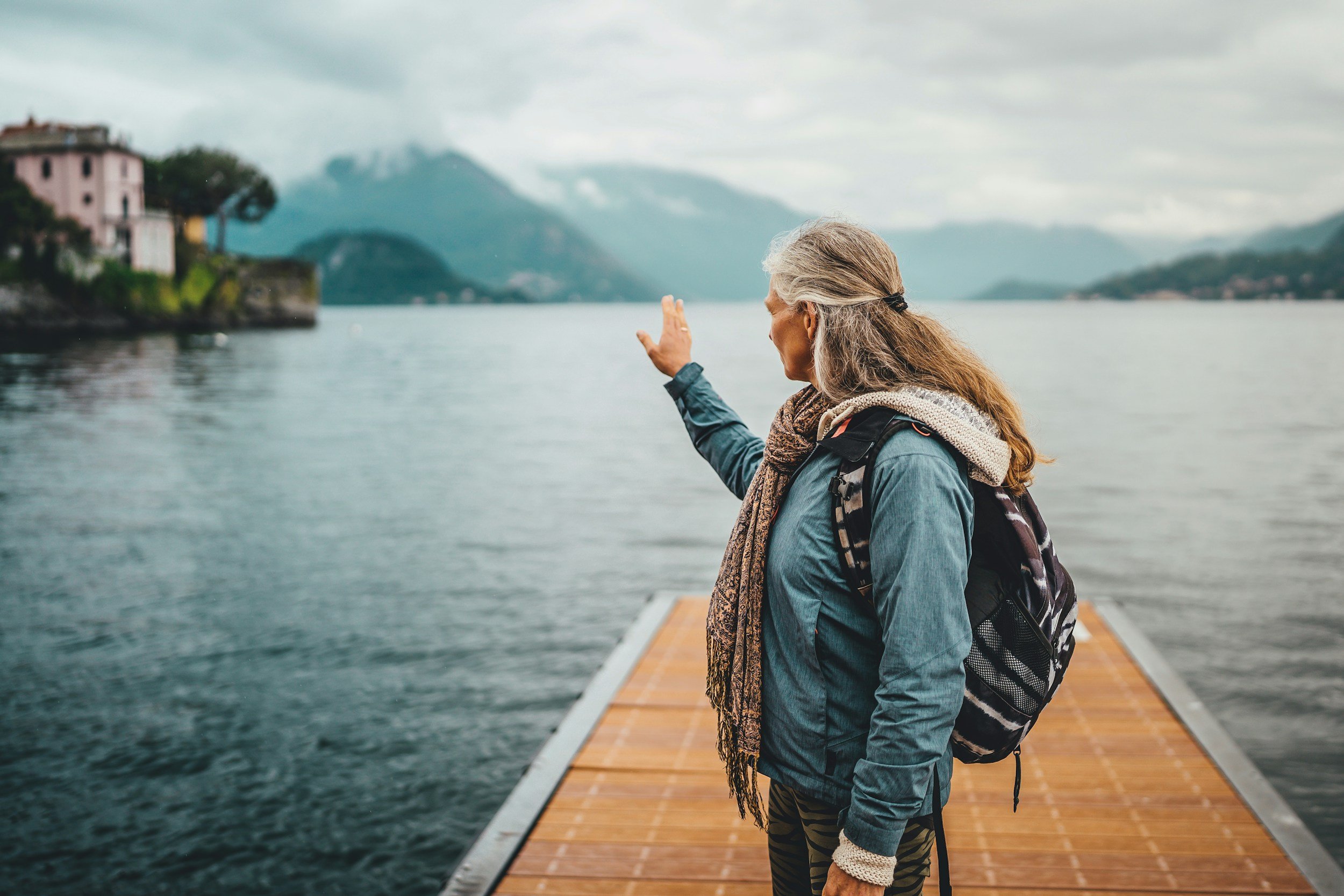
Pack for the hours ahead, not for every possible situation. A small cross-body bag or lightweight backpack should hold your phone, portable charger, water, payment card and any daily medication. Keep travel documents in an inner pocket and leave bulky items at your accommodation or an approved storage point.
Physical comfort affects confidence too. Shoes that you have already worn for several hours are a safer choice than a new pair, while clothing with secure pockets reduces the need to keep checking your bag. These practical solo travel tips also suggest guided experiences as a useful way to become familiar with an unfamiliar place. A walking tour on your first morning can help you learn key landmarks before exploring alone.
Strategic Planning for City Strolls
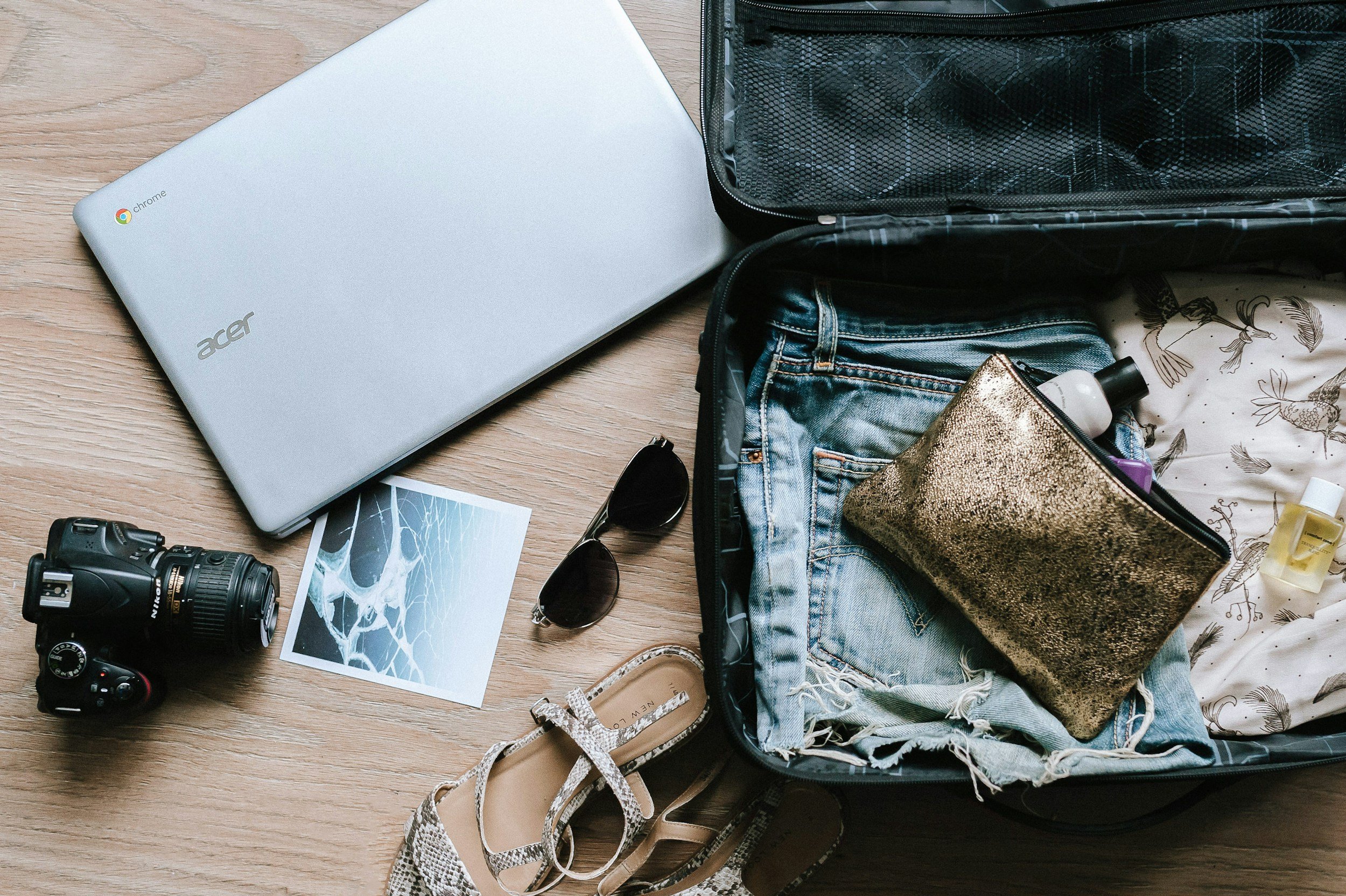
Build each day around two or three areas that sit close together. Mark a main attraction, a lunch option and the transport stop you’ll use afterwards, then save the route for offline access. This gives the day some shape while leaving room for an interesting shop or park you spot along the way.
Check opening hours before setting out, particularly when museums and independent businesses close on different days. If your accommodation checkout is at 10am but your train or flight leaves in the evening, arrange for short-term baggage storage San Diego or the equivalent service at your destination before starting the day. Choose a location near your final transport connection so collecting your bags doesn’t require a long detour.
Share the rough plan with someone you trust, including your expected return time. You don’t need to provide constant updates, but a simple message when plans change keeps your contact properly informed.
Stashing Heavy Gear Along Your Route
Luggage storage works best when it supports your route instead of creating another errand. Before booking, check the location’s hours, cancellation terms and distance from a bus stop or station. Read the instructions carefully so you know what identification or booking confirmation you’ll need at drop-off.
Remove anything required during the day before handing over your bag. Keep travel documents, medication, phone cables and valuables with you, then take a quick photograph of the stored luggage and its claim details. Set a phone reminder at least 45 minutes before the collection deadline.
A useful rule is to place stored baggage near the end of your planned route. For example, if you’re spending the afternoon by the waterfront before taking an evening train, storage near the station usually makes more sense than a point beside your morning café.
Everyday Safety Habits to Practise
Stay aware of your surroundings without spending the day on high alert. Check directions before leaving a café or shop, then walk with purpose instead of holding your phone out at every junction. If you need more time, step into a busy public place to review the map.

Keep one payment card separate from your main purse and save digital copies of important documents in password-protected storage. The most useful first-time solo travel advice also covers staying connected and researching a destination before arrival. Download local transport information and note the address of your accommodation in case your mobile connection fails.
Trust practical evidence when plans change. A poorly lit shortcut, an unexpectedly empty station or transport disruption is a good reason to choose a busier route. Use licensed transport services, confirm vehicle details where relevant and avoid sharing your room number or full itinerary with new acquaintances.
Hands-free exploration leaves more attention for the place around you. Before leaving your room each morning, spend one minute checking your day bag, collection time and offline route. Then you can step outside knowing that everything you need is close at hand and everything else is safely out of the way.
wellbeing


