How to Choose the Right Payment Processor for a High-Risk Business'

If your business has been labeled "high-risk," you might feel a bit discouraged. But this term doesn't mean you're running a shady operation. It just means that, to a financial institution, your business model has a higher chance of things like chargebacks, or it operates in a heavily regulated industry. Finding a payment processor that understands your business is essential, but choosing the right provider often requires more research than signing up with a mainstream payment service.
Navigating this world can feel tricky, but with the right information, you can find a reliable partner to help your business thrive.
Understand Why Some Businesses Are Considered High-Risk
Before you start your search, it helps to know why your business falls into this category. Payment processors use the "high-risk" label for a few reasons. Often, it's because of the industry itself. Sectors like travel, subscription boxes, online coaching, or digital goods tend to have more customer disputes and chargebacks. A customer might cancel a trip or a subscription and ask for their money back, which creates a financial risk for the processor.
Other factors include having a very high sales volume, processing transactions in multiple currencies, or having a business model where there's a long wait between payment and delivery. Some mainstream processors simply don't have the setup or risk tolerance for these models. That's why specialized providers exist.
Key Features to Look for in a High-Risk Processor

When you're comparing high-risk specialists, don't just look at the basic transaction fees. You need a partner who offers features designed to protect your business. Look for strong tools that prevent chargebacks and manage disputes. These services can warn you about potential chargebacks before they happen, giving you a chance to sort things out with the customer directly. This is a crucial feature that can save you thousands in fees and protect your merchant account.
Also, check whether the processor offers a secure payment gateway that integrates smoothly with your website or ecommerce platform. Some industries have additional compliance requirements and face greater scrutiny from banks and payment providers, making specialist expertise especially important. For example, businesses that require an adult payment processor benefit from working with providers that understand industry regulations, higher chargeback risk, and the need for secure, reliable payment solutions. A good partner will offer services tailored to your business rather than relying on a one-size-fits-all approach.
Watch Out for Hidden Fees and Unfair Terms
High-risk processing often comes with higher fees, but that doesn't mean you should accept unclear or unfair pricing. Be careful of providers who aren't upfront about their costs. You should receive a clear breakdown of every cost involved, including:
Transaction rates
Monthly account fees
Chargeback fees
Early termination fees
Read the contract carefully. Some processors lock you into long-term agreements with big penalties for leaving. It's also smart to ask about a "rolling reserve," which is common in high-risk payment processing for ecommerce. This is when the processor holds back a percentage of your revenue to cover possible chargebacks. While it's a standard practice, the percentage and how long they hold it should be reasonable.
Check Their Integration and Support Options
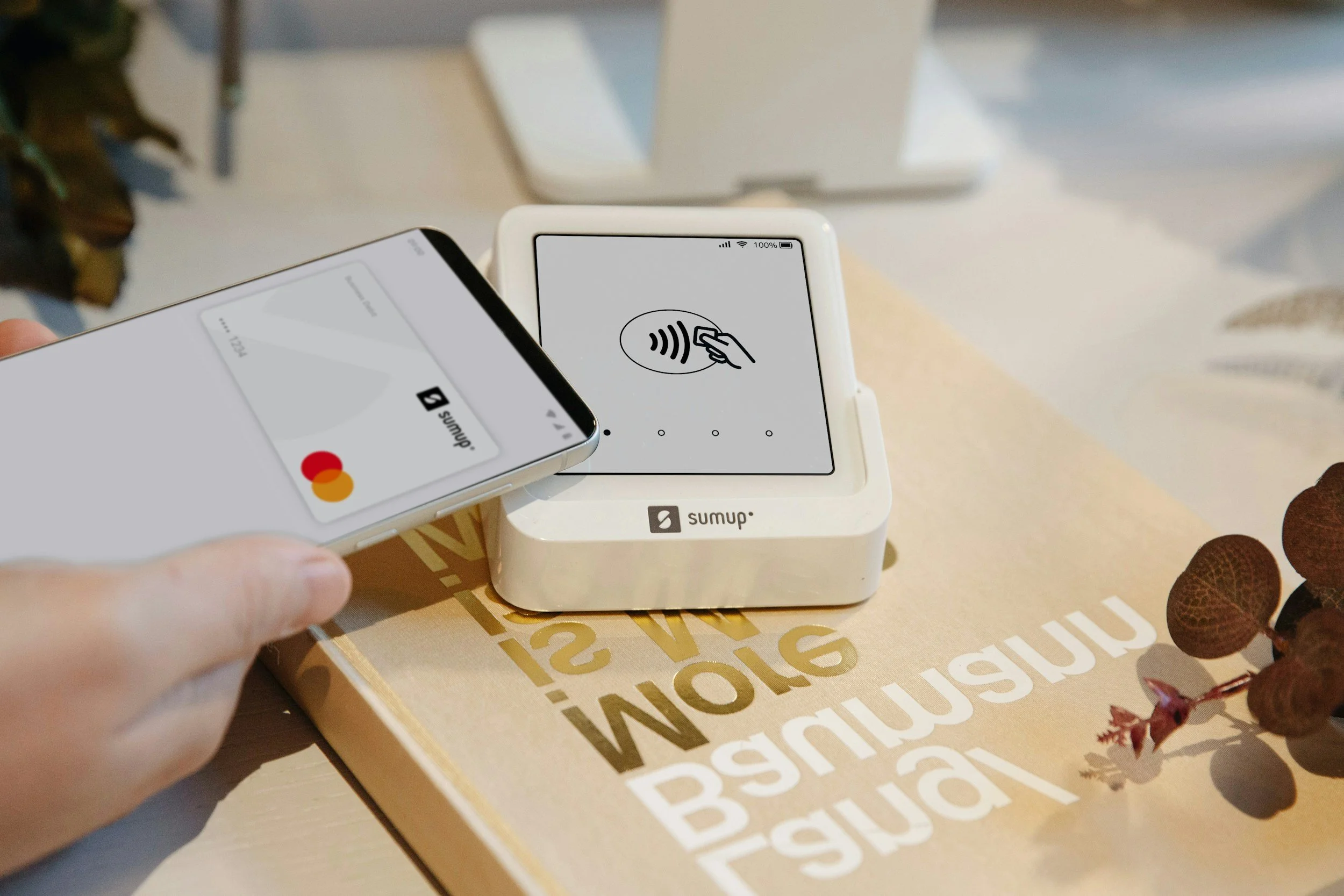
The best processing technology in the world is useless if it doesn't work with your current systems or if you can't get help when you need it. Before committing, confirm that the processor's payment gateway can be easily added to your website or shopping cart software. Ask if they have clear instructions or developer support available. A complicated setup process can lead to expensive delays.
Responsive customer support is just as important, especially if payment issues affect your ability to accept customer transactions. When a payment issue comes up, you need to be able to reach a knowledgeable person quickly. Find out their support hours and what ways you can contact them, like phone, email, or live chat. Look for reviews or ask for references to see how responsive and helpful their support team really is.
Don't Overlook Security and Compliance
Security is a must when you're handling customer payments. Any processor you consider must be fully PCI DSS (Payment Card Industry Data Security Standard) compliant. This standard makes sure that customer card data is handled in a secure way, protecting you and your customers from fraud. Many high-risk payment processors also offer advanced tools to detect fraud, like address verification systems (AVS) and CVV verification, which add extra layers of protection.
Choosing a processor that puts security first not only protects your income but also builds trust with your customers. When shoppers feel their information is safe, they're more likely to finish a purchase and become repeat customers.
Finding the right payment processor is a basic step for any high-risk business. Taking the time to research your options and ask the right questions will set you up with a stable, long-term partner who can support your growth.
BEAUTY