What to Eat for Endometriosis: The Anti‑Inflammatory Foods That Really Help
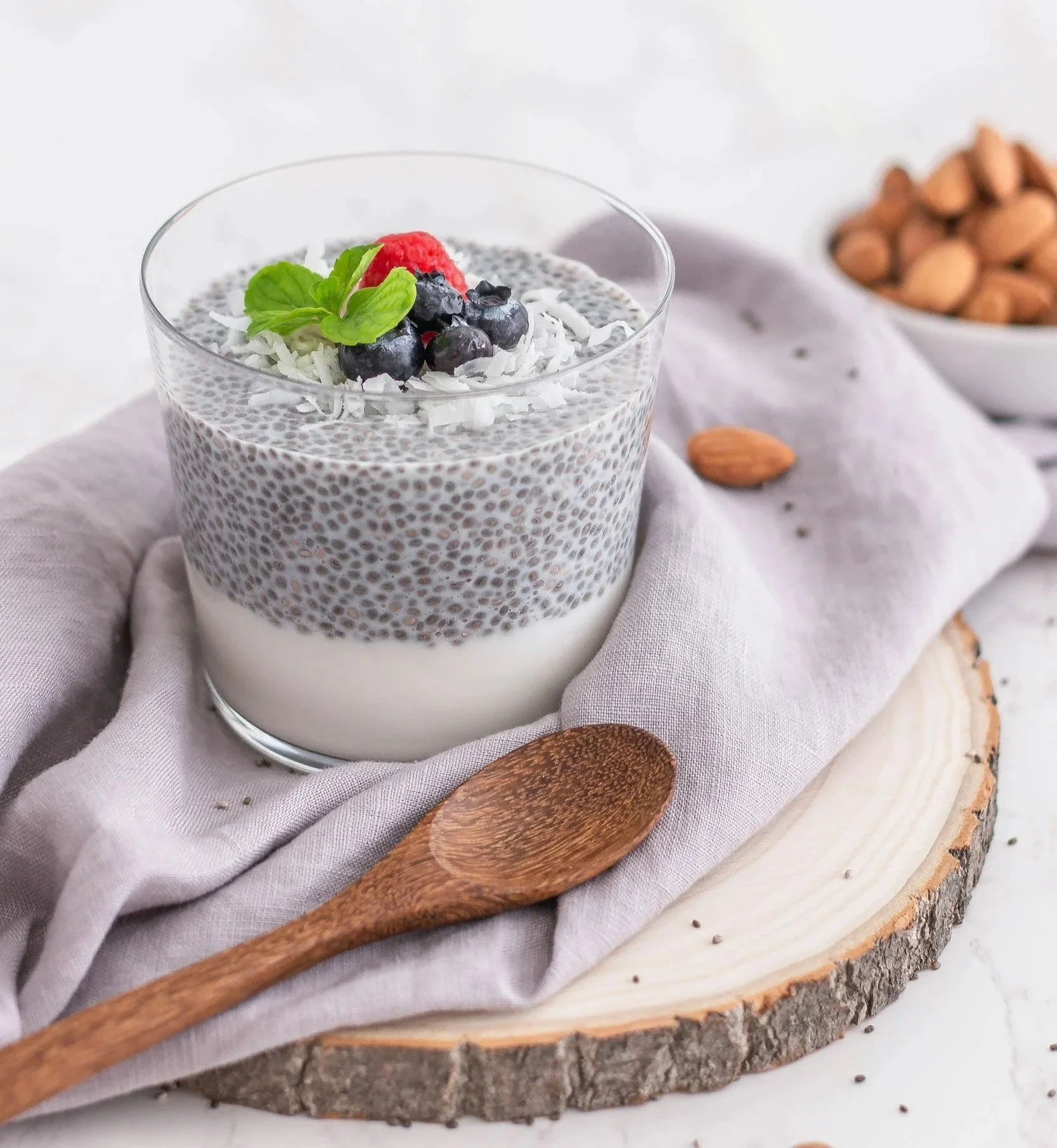
Chia seeds are rich in Omega-3 fatty acids which can help alleviate symptoms.
Endometriosis is far more than a painful period, it’s a chronic inflammatory condition that can affect everything from hormone balance to gut health. While there’s no single diet that can cure it, the foods we eat can play a powerful role in managing inflammation, supporting oestrogen metabolism and easing symptom severity throughout the cycle. From anti‑inflammatory fats and fibre‑rich plants to probiotic foods that nurture the gut microbiome, certain dietary choices can help create a more supportive internal environment. Equally, some foods may aggravate pain and inflammation, making it helpful to understand what to prioritise and what to limit. Zoë Hill is a London based Nutritionist specialising in women’s health and PCOS. With over 15 years’ experience, Zoë champions a balanced, sustainable approach to nutrition, steering clear of restrictive quick fixes in favour of realistic, long term habits that support energy, hormonal health and a positive relationship with food. Below, Zoe breaks down the evidence informed foods that can help, and the ones worth approaching with caution.
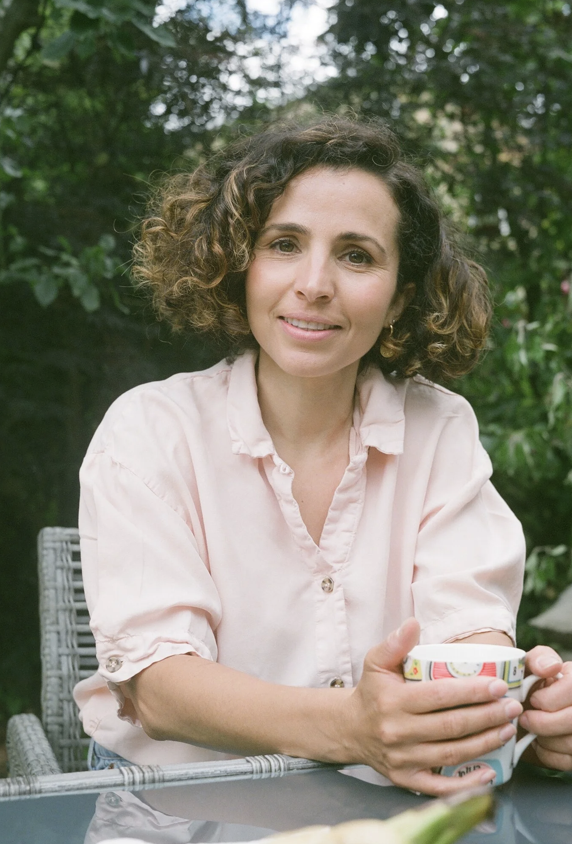
Zoë Hill is a London based Nutritionist specialising in women’s health and PCOS.
What foods should people with endometriosis eat to help manage symptoms and why? (Inflammation and pain)
Endometriosis is an oestrogen-dependent inflammatory condition, so dietary support should focus on reducing inflammation, supporting oestrogen metabolism and optimising gut health.
Foods that aid liver detoxification – One of the liver’s key roles is to metabolise oestrogen. If this process is impaired, oestrogen can recirculate in the body, which may exacerbate symptoms. Including plenty of foods that support liver detoxification can therefore be beneficial. These include fresh herbs and spices (particularly turmeric and cumin), cruciferous vegetables such as broccoli, kale and cauliflower, as well as lemon and extra virgin olive oil.
Fibre rich foods – Fibre helps the body bind and eliminate surplus oestrogen via the digestive tract. It also supports blood-sugar balance and gut health. Good sources include vegetables, fruit, legumes and wholegrains.
Probiotic foods – Emerging research suggests that a diverse gut microbiome may influence the onset and progression of endometriosis. Including probiotic-rich foods such as live yoghurt, kefir, kimchi, sauerkraut and miso may help support microbial balance and modulate inflammation.
Foods rich in Omega-3 fatty acids – Omega-3s help regulate inflammation in the body and may reduce symptom severity. Sources include ground flaxseeds, chia seeds, walnuts and oily fish such as salmon, sardines and mackerel. Studies have also shown that omega-3 fatty acids can significantly reduce menstrual and pelvic pain in women with endometriosis.
What foods should be avoided and why?
While no single food causes endometriosis, certain foods may worsen inflammation and aggravate symptoms.
Limit caffeine (particularly coffee) and alcohol – Both can affect the liver’s ability to clear oestrogen efficiently. They have also been shown to increase inflammation in the body and may exacerbate pain associated with endometriosis.
Trans fats – Trans fats promote systemic inflammation and can worsen symptoms. They are commonly found in highly processed foods such as shop-bought biscuits, pastries, doughnuts, crisps, margarine and frozen pizzas.
High sugar foods – Excess sugar can trigger inflammatory pathways and cause blood-sugar spikes, which may disrupt hormonal balance and intensify pain. High sugar foods include sweets, fizzy drinks, ice cream, cakes, sweetened yoghurts and some ultra-processed snack bars.
Aspartame – Some research suggests that aspartame may increase inflammation in certain individuals. It is commonly found in diet drinks, sugar-free biscuits, sweets, yogurts, and chewing gum.
Red meat – In particular processed meats such as sausages and bacon, which have been shown to promote inflammation and may worsen symptoms for some women.
Should certain foods be eaten/avoided at different times in the cycle?
Before and during period (Luteal/menstrual phase). Include:
Magnesium rich foods – Magnesium acts as a natural muscle relaxant, helping to ease uterine cramping and regulate inflammatory prostaglandins. Magnesium-rich foods include bananas, spinach, kale, swiss chard, almonds, cashews, pumpkin seeds, black beans, edamame, lentils, chickpeas and dark chocolate (70% cocoa or higher).
Increase vitamin B6 rich foods – Vitamin B6 supports oestrogen metabolism and has been shown to reduce the intensity of cramps, while also helping to stabilise mood.
Before and during period (Luteal/menstrual phase). Avoid or limit:
Caffeine and alcohol – Both can worsen inflammation and may intensify endometriosis-related pain, particularly around menstruation.
During period (menstrual phase):
Increase iron rich foods to replenish lost iron – Dark green leafy vegetables, seeds and pulses such as lentils and beans are good plant-based sources. Pair with vitamin C-rich foods (for example, lemon juice or peppers) to enhance iron absorption.
Omega-3s – Continue prioritising anti-inflammatory omega-3 rich foods during menstruation to help reduce cramping and pelvic pain.
Where possible, it is advisable to limit the inflammatory foods listed above throughout the month.
Are there any supplements people with endometriosis should be taking alongside their food?
Supplementation should always be individualised and ideally discussed with a qualified practitioner, but the following may be supportive:
Omega 3 fish oils (if you are vegan, you can supplement with flaxseed oil) – For their anti-inflammatory properties.
Magnesium glycinate – A highly absorbable form of magnesium that is gentle on digestion and can help ease muscle cramps and reduce pain.
Vitamin B6 – Supports oestrogen regulation and may help reduce inflammation and pelvic pain.
Vitamin D3 – Research suggests that women with endometriosis often have lower vitamin D levels compared to those without the condition.
A broad spectrum probiotic – May help reduce bloating, support gut health and help modulate inflammation and oestrogen balance.
About Zoe
"I’m Zoë, a qualified Nutritionist with over 15 years experience working in the field of female health. Growing up in a Greek Cypriot household, I have always had a passion for healthy eating and nutrition. However, in my late teens when my own health was compromised, I learnt first hand how changing one’s diet and lifestyle can be the determining factor in improving one’s health.
At the age of 18 I was diagnosed with polycystic ovary syndrome (PCOS). This was rather distressing for a young woman given the symptoms associated with PCOS (obesity, acne, male pattern balding, excessive facial and body hair, irregular or no periods and difficulty conceiving), plus the fact that there is no known ‘cure’ for PCOS.
This prompted me to research more into the subject, which led me to discover that the symptoms of PCOS can be managed by making changes to one’s diet and lifestyle. Over two decades on, I am a healthy mum of two, completely free of all symptoms associated with PCOS thanks to embracing these changes. What baffled me though was as a naïve teenager when I went to see my Doctor they did not mention anything about my diet, lifestyle or stress levels. Instead, I was offered the contraceptive pill, and told there was no cure for PCOS.
Seeing the impact Nutritional Therapy had on my health as a whole, my digestion drastically improved and the eczema I had been plagued with most of my life cleared up, I decided I wanted to help other women who are looking for a complementary route to improving their health. This led me to train as a Nutritional Therapist at the College of Naturopathic Medicine in Central London"
LISTEN & WATCH NOW
In this powerful and thought-provoking episode of the Women & Wellbeing podcast we welcome Dr Nighat Arif, a GP, women’s health specialist, and familiar face in medical broadcasting, known for her warmth, honesty, and no-nonsense approach to health education.
Key Points: Endometriosis & Autoimmune Disorders: Is there a deeper link? We explore how endometriosis often coexists with chronic inflammatory or autoimmune conditions, and why women’s pain is still too easily dismissed. Watch the full episode now.
FITNESS